

The modern office, with its open floor plans and collaborative design, was once hailed as the leader of innovation and efficiency. But for many workers, the constant distractive sounds of coworker chatter, phone rings, and printer hums has become a productivity killer. Office noise, it turns out, is not just an annoyance; it's a silent drain on our cognitive reserves and a major contributor to workplace stress.
An open office has downsides. A 2013 study from the University of Sydney found that a lack of sound privacy was far and away the biggest drain on employee morale.
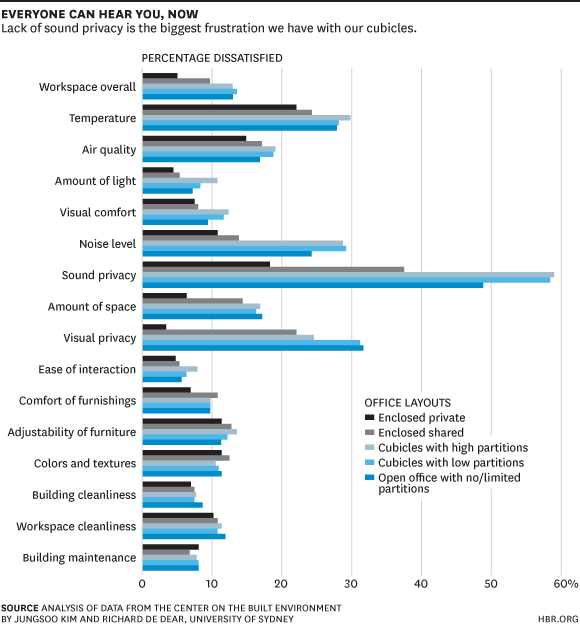
Further, a 2014 study by Steelcase and Ipsos found that workers lost as much as 86 minutes per day due to noise distractions. Almost any office worker could share a story or two about annoying, loud, or obnoxious distractions – whether it be a coworker, a loud printer, a noisy heating and air conditioning system, or the ring of a cell phone.
The Symphony of Stress
Imagine trying to concentrate on a complex report while a nearby colleague engages in a loud phone call. Or picture yourself working to develop a creative design amidst the constant clatter of keyboards, footsteps, doors opening and closing, and the constant sounds of office machines humming. These are just a few examples of the everyday sounds that plague modern offices. Studies have shown that even low-level background noise can have a significant impact on our ability to focus, remember information, and solve problems.
- Concentration killers: Research suggests that even moderate noise levels can reduce our attention span by up to 50%. This makes it difficult to maintain focus on complex tasks, leading to mistakes and decreased efficiency.
- Memory mayhem: Office noise can impair our ability to process and retain information. A study published in the Journal of Applied Psychology found that workers exposed to moderate noise levels recalled 27% fewer words from a passage they had just read compared to those in quieter environments.
- Creativity crushers: Noise can also hinder our ability to think creatively. A study by the University of Illinois found that people exposed to background noise generated fewer and less original ideas compared to those in quieter conditions.
The Hidden Costs of Noise
The negative effects of office noise extend beyond cognitive performance. Constant exposure to noise can also lead to:
- Increased stress and anxiety: Noise triggers the release of cortisol, the stress hormone, leading to elevated levels of anxiety and nervousness. This can negatively impact overall well-being and job satisfaction.
- Communication breakdowns: Background noise can make it difficult to understand conversations, leading to miscommunication and misunderstandings. This can hinder collaboration and teamwork, and it can help create an environment where costly mistakes can be made.
- Health problems: Chronic and prolonged exposure to noise can contribute to a wide array of health related ailments. Some of these ailments are noted in an article published by Harvard Magazine titled Noise and Health. In it, they state “noise pollution not only drives hearing loss, tinnitus, and hypersensitivity to sound, but can cause or exacerbate cardiovascular disease; type 2 diabetes; sleep disturbances; stress; mental health and cognition problems, including memory impairment and attention deficits; childhood learning delays; and low birth weight. Scientists are investigating other possible links, including to dementia.” Needless to say, noise is a problem, and it’s something that shouldn’t be overlooked or ignored because the consequences in doing so can be costly.
Creating a Sounder Workplace
The good news is that there are steps organizations and individuals can take to mitigate the negative effects of office noise and create a more productive and peaceful work environment. Here are some strategies to consider:
- Embrace the power of space: Implement zoning in your office, with designated areas for quiet focused work and collaborative brainstorming. This allows employees to choose the environment that best suits their needs. Whether this is a designated enclosed workspace such as a private office or huddle room, or an open area separated from the main workspace, both can be very beneficial in providing a space where employees can go to leave the noise behind.
- Invest in soundproofing measures: Consider installing sound-absorbing materials like acoustic panels or baffles to reduce overall noise levels. This can be particularly helpful in open-plan offices where noise is rampant and ever-present. And though this doesn’t address noise at its source, it can help to dampen it so that it’s not as distracting as it would otherwise be.
- Encourage noise-conscious behavior: Promote awareness about the impact of noise on productivity and well-being. Encourage employees to use headphones for calls, lower their voice levels, and be mindful of their noise footprint. This is the job of Supervisors and Managers to monitor noise, and address it when it gets too loud. One tool available to Supervisors and Managers to help monitor noise levels is available from a company called SoundEar. They offer solutions for monitoring sound so actions can be taken to lower it.
- Technology hardware: Utilize noise-canceling headphones, noise-canceling business headsets or white noise machines to create a personal bubble of focus. This can be especially helpful for individuals who are easily distracted by noise, and can help to arm workers with devices to help combat noise.
- Noise Canceling Software: If you want the ultimate in silencing your surroundings whenever you’re on a voice or video call, consider getting software that’s designed to remove noise. neep is AI software that can eliminate distracting room noise on both ends of the conversation. It also sharpens your voice, and separates it from other voices which makes it easier for your callers to lock in on your voice, and your message. So if you’re looking for a solution to your noise problem so you can have a more productive, and professional sounding call, look no further than neep software. And, you can try it for free.
- Lead by example: Managers and executives should also be mindful of their own noise levels and set a positive example by practicing noise-conscious behavior. It doesn't make sense for Managers to require workers to keep a lid on noise if they don't do the same.
The Final Note
Creating a quieter and more sound-aware workplace is not just about comfort; it's about optimizing performance and well-being. By recognizing the negative impacts of office noise and implementing proactive solutions, organizations can improve their workplace where productivity, creativity, and employee satisfaction thrive.
Remember, a little peace and quiet can go a long way in boosting the bottom line and fostering a happier, healthier workforce. And as Managers, you have a responsibility to those around you, and under your leadership, to keep them healthy, and as productive as possible.
Further Resources:
- World Health Organization: Guidelines for environmental noise
- Noise Abatement Society: Understanding the impact of noise in the workplace
I hope this blog post has provided you with valuable insights into the negative effects of office noise and actionable strategies for creating a more sound-friendly work environment. Remember, a quieter office is not just about silencing noise; it's about amplifying the potential of your workforce.
Like to learn more?
Headset Advisor has been helping businesses with their technology, and productivity challenges since 1994. We’re focused on technology, and leveraging it to deliver better outcomes for businesses of all sizes.
We’re here to answer your questions, and help you find the right technology solutions to help you perform at your best. Contact us today for a free consultation. We’re happy to help!